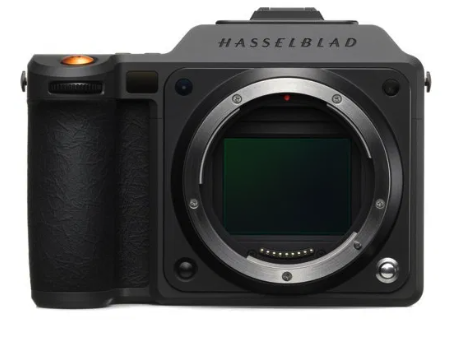
Hasselblad X2D II 100C
Order managed on demand, subject to availability by distribution
Hasselblad X2D II 100C: medium format with HDR quality and advanced stabilization
The Hasselblad X2D II 100C sets a new standard in digital medium format. Designed for photographers seeking a high-performance mirrorless camera, this camera combines a 100MP BSI CMOS sensor, 5-axis internal stabilization with up to 10 stops, subject detection autofocus, and 1TB internal SSD storage. All this is supported by the Hasselblad Natural Color System (HNCS HDR), which guarantees faithful, detailed images with exceptional dynamic range.
- Envío gratuito en Andorra a partir de 99 €
- Garantía oficial de distribuidor autorizado
- Devolución sin complicaciones en 14 días
Description
High-resolution capture with a 100 MP sensor
Medium format sensor with true depth
The Hasselblad X2D II 100C features a 100-megapixel BSI CMOS sensor with 16-bit color depth and a dynamic range of up to 15.3 stops. This configuration captures everything from the deepest shadows to the brightest highlights with great fidelity and detail.
Integrated HDR technology
The first medium-format camera with end-to-end HDR capture, enabling Ultra HDR JPEG or HEIF HDR images directly from the camera. Preview is done on a 3.6" OLED touchscreen with a peak brightness of 1400 nits.
Internal stabilization and extreme precision
5-axis IBIS with up to 10 steps
The Hasselblad X2D II 100C medium format camera features the brand's most advanced IBIS system, enabling tripod-free, long exposures with great stability. Ideal for capturing long exposures or dynamic scenes.
AF-C with subject detection and LiDAR focus
The focusing system combines 425 PDAF points and LiDAR technology for agile and precise focusing, even in low-light situations. Additionally, the new AF-C mode detects people, animals, and vehicles with continuous tracking.
Modern workflow and connectivity
Phocus Mobile 2 and HDR editing on iPhone/iPad
With Phocus Mobile 2, HDR RAW files can be edited directly on Apple mobile devices, applying noise reduction (HNNR), exposure adjustments, and Hasselblad Natural Color Preview.
1TB internal SSD + CFexpress Type B
The Hasselblad X2D II 100C features a 1TB internal SSD with write speeds of up to 2370MB/s. It also includes a CFexpress Type B card slot.
Ergonomic design and high-brightness display
Tilting OLED display with HDR
3.6" touchscreen with HDR vision, tilts up to 90° upward and 43° downward. High readability even in bright daylight.
Compact and durable body
Weighing just 840g including the battery, the body is made of machined aluminum with a graphite gray finish. Its redesigned design improves ergonomics for extended sessions.
Customizable controls and 5D joystick
It includes a navigation joystick, eight customizable buttons, and an intuitive menu. The 5.76 million-dot electronic viewfinder offers 100% coverage.
Key technical specifications
Sensor and processing
100 MP (43.8 × 32.9 mm) BSI CMOS sensor
Color 16 bits / 15.3 stops dynamic range
Capture in RAW 3FR, HEIF or JPEG HDR
Speeds and shutter
Continuous shooting up to 3 fps
Electronic shutter: up to 1/6000 s
Mechanical shutter: up to 1/4000 s
Connectivity and charging
USB-C 3.1 Gen2 port
USB-C fast charging (approx. 2 hours)
3400 mAh battery (up to 466 shots)
Dimensions and construction
148.5 × 106 × 75 mm
Weight: 730g (body only) / 840g (with battery)
Compatible mounts
Native XCD lenses
HC/HCD, XPan and V System via adapter
Frequently Asked Questions about the Hasselblad X2D II 100C
What improvements does it offer compared to the previous version?
The X2D II 100C introduces key advancements over its predecessor, including continuous autofocus (AF-C), built-in stabilization of up to 10 stops, and a new Natural Color System (HNCS HDR), all aimed at maximizing image quality and workflow performance. Paired with Phocus Mobile 2 software, the overall user experience is faster, smoother, and more powerful.
How is Hasselblad HDR different from conventional HDR?
Hasselblad's HNCS HDR system not only enhances shadows and highlights, but also maintains natural contrast and more realistic tonal richness. It offers a richer, deeper display without flattening the image, taking full advantage of the medium format sensor's capabilities.
What formats are supported by this HDR?
You can capture and edit in HDR using RAW, HEIF, and JPG files. The camera allows you to enable or disable this option from the quality menu.
Which devices can I use to view HDR images correctly?
HDR JPG images can be viewed with full effects in software like Phocus, Adobe Lightroom, and on devices like the MacBook Pro (2021 or later) and recent iPads Pro. For an optimal HDR experience, it's recommended to disable Low Power Mode and always review on displays with true HDR support.
Which lenses support continuous autofocus?
AF-C works with compatible and updated XCD series lenses, such as the 35-100E, 38V, 55V, 25V, 90V, and others. It's important to have the latest firmware for each lens.
What happens if you use a tripod with stabilization enabled?
If stabilization is enabled during long exposures on a tripod, it may detect residual movement, resulting in unnecessary corrections. In these cases, it's recommended to disable it for maximum sharpness.
Can I use stabilization with adaptive optics?
Yes, the IBIS system works with adapted optics as long as the lens focal length is manually entered in the menu. It supports focal lengths up to 499 mm.
Which CFexpress Type B memory cards are recommended?
Recommended models include Sony CEB-G series cards, SanDisk Extreme Pro cards, and Lexar Diamond Series cards, in capacities from 128 to 512 GB.
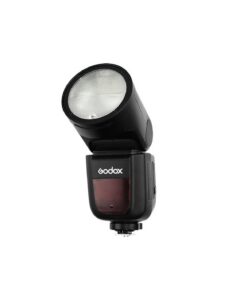
What flashes and triggers are compatible?
Nikon SB-300, SB-500, SB-700, and SB-5000 flashes, as well as Profoto A10 and A1, work correctly in TTL mode. Profoto Connect Pro and Air Remote TTL triggers are also supported.
Reviews
Sé el primero en opinar
Si ya lo tienes, cuéntanos qué tal. A quien esté dudando le ayuda mucho.